3D Websites: Why Immersive Web Design Is the Next Big Trend
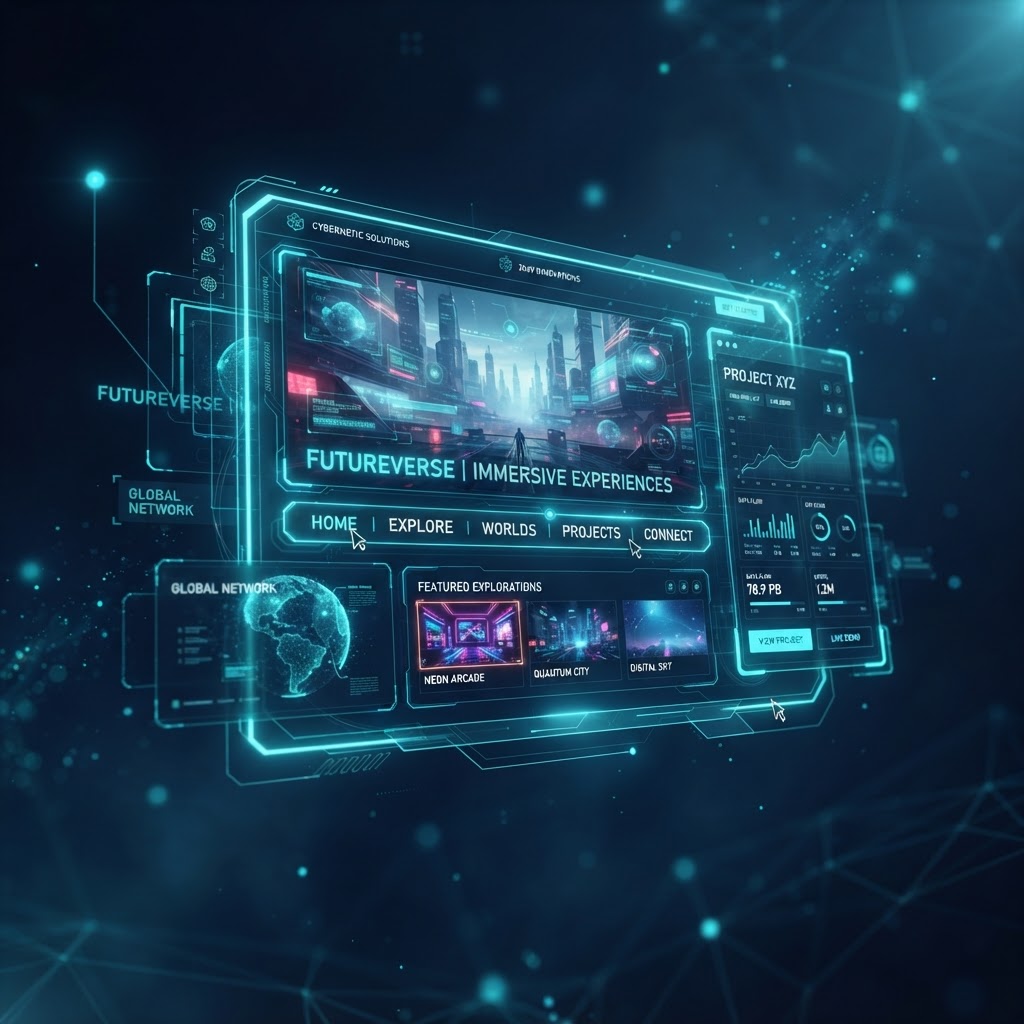
Flat, scroll-and-click websites are no longer enough to stand out. Sitios web en 3D — immersive, interactive experiences built with WebGL — are becoming a genuine differentiator for brands that want to be remembered.
What Makes a 3D Website Different
Instead of static images and text blocks, a 3D website lets visitors explore depth, rotate objects, and interact with elements that respond in real time — turning a passive scroll into an experience.
Where 3D Web Design Actually Adds Value
- Product showcases where visitors want to inspect an item from every angle
- Brand storytelling landing pages that need to feel memorable, not just informative
- Portfolio and creative agency sites where the medium is part of the message
The Performance Trade-Off You Must Manage
3D web experiences can easily become slow if not engineered carefully. Optimized geometry, lazy-loaded 3D assets, and fallback 2D experiences for lower-powered devices are essential — a stunning 3D site that takes eight seconds to load fails on Core Web Vitals and loses visitors before they see any of it.
Not Every Site Needs to Be 3D
A 3D hero section on a checkout-focused e-commerce store can hurt conversions if it slows the path to purchase. The right use case is brand-led, exploration-first experiences — not every page on your site.
We design custom 3D and interactive websites for brands that want their site to feel like an experience, not just a brochure.
About the Author
Jotunheims Engineering Team
Full-stack engineers building immersive 3D websites and interactive web experiences for forward-thinking brands.