SEO and GEO: How to Rank in Google and Get Cited by AI Search
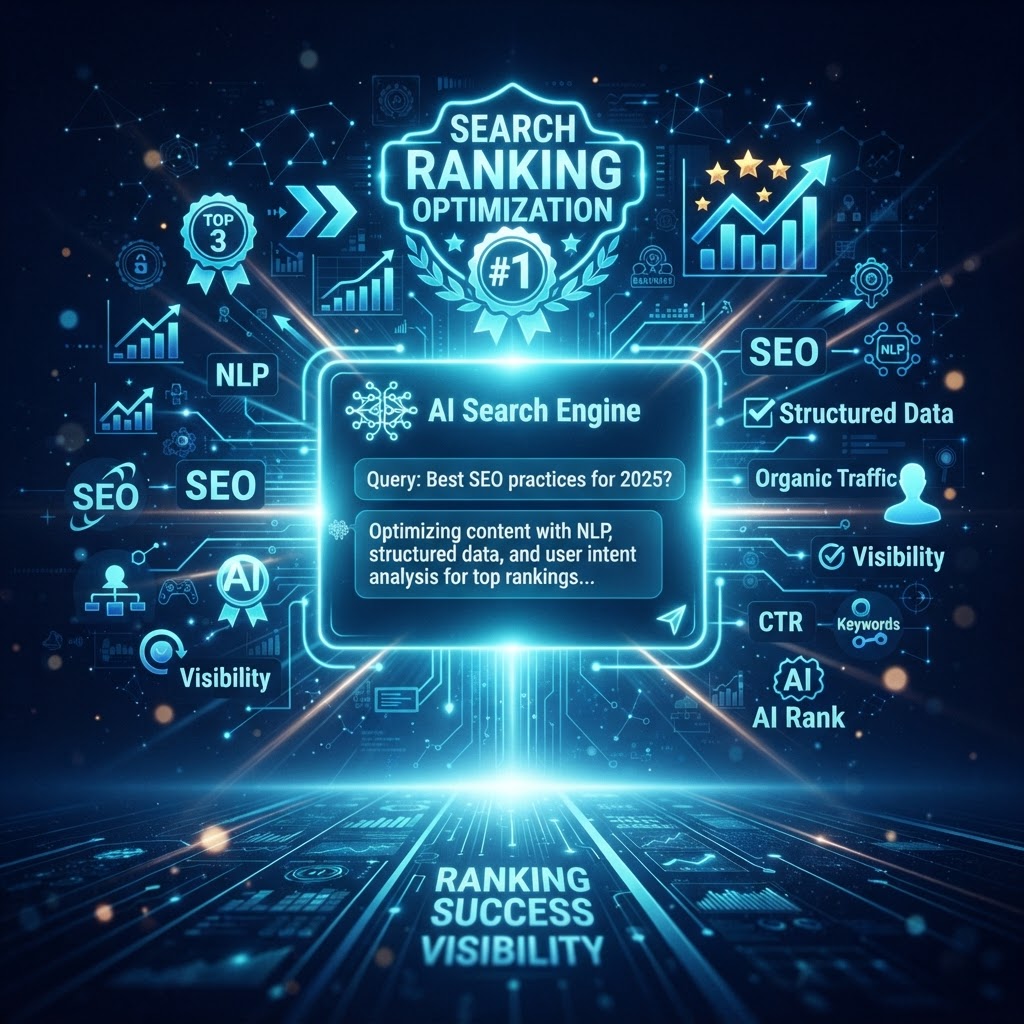
Search behavior is splitting into two channels: traditional search engines like Google, and AI answer engines like ChatGPT and Perplexity that synthesize a direct answer instead of a list of links. Optimizing for both requires two related but distinct disciplines: SEO and GEO.
What GEO (Generative Engine Optimization) Actually Means
GEO is the practice of structuring content so AI models are more likely to cite your business when generating an answer — not just so a search engine ranks your page. This means clear, factual, well-structured content that an AI system can confidently extract and attribute.
What SEO and GEO Have in Common
- Clear heading hierarchy (H1/H2/H3) that mirrors how both crawlers and language models parse structure
- Direct, unambiguous answers to specific questions, stated plainly rather than buried in marketing language
- Structured data (JSON-LD schema) that gives both search engines and AI systems explicit, machine-readable facts about your business
Where GEO Diverges From Classic SEO
Traditional SEO rewards keyword density and backlink authority. GEO rewards clarity, factual specificity, and content that's easy for a language model to summarize accurately — vague or overly promotional copy is harder for an AI system to confidently cite.
Practical Steps We Apply
- Answer the core question directly in the first two sentences of any section
- Use structured data on every page, including Article and Service schema
- Keep factual claims specific and verifiable, not vague superlatives
Every page and article we publish is structured with both classic SEO and GEO principles in mind — because the channel your next customer finds you through might not be a search results page at all.
About the Author
Jotunheims Engineering Team
Full-stack engineers and SEO specialists optimizing web platforms for both search engines and AI answer engines.